Whales and dolphins: why September is a good month for it
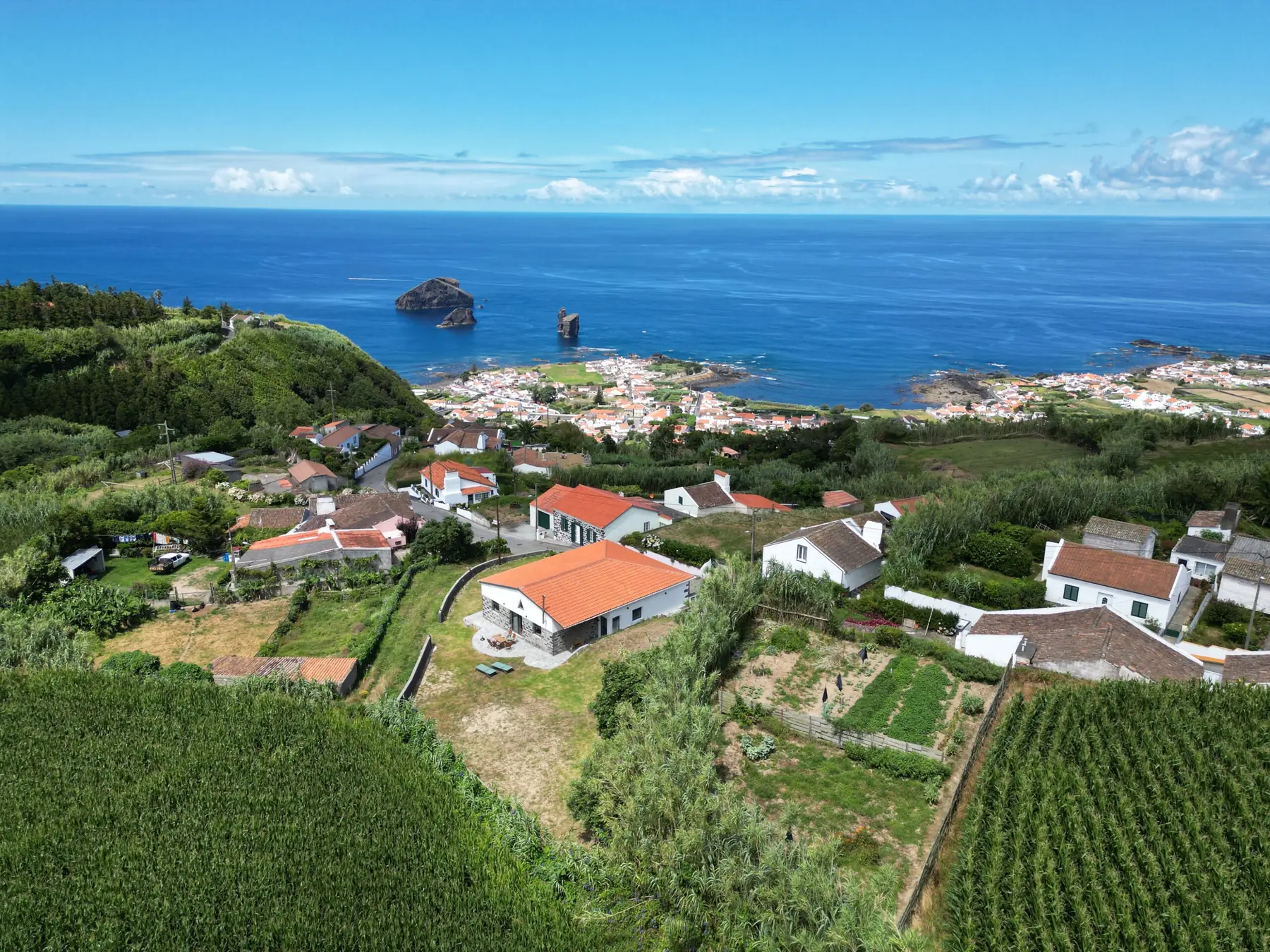
The Azores sit in the middle of the Atlantic, and the sea floor drops away steeply just off the coast. That’s exactly why the animals come so close: a few kilometres off São Miguel the water is already more than a thousand metres deep. Over the years more than twenty species of whale and dolphin have been recorded around the islands — which makes the Azores one of the best places in the world for a trip like this.
What’s around in autumn
Sperm whales and several dolphin species — mainly bottlenose and common dolphins — are here all year. The great baleen whales, on the other hand — blue, fin and sei whales — pass through in spring, roughly from April to June; you can’t expect those in September.
Late summer has other advantages instead: the sea is calmer than in spring, the water is warm, and pods of dolphins are out there almost every day. Go out in September or October and you’ll almost certainly see dolphins, with a good chance of sperm whales.
How a trip works
The boats leave from the harbour in Ponta Delgada — about a 40-minute drive from the house. A trip usually lasts two and a half to three hours. You can choose between small rigid inflatables, which are fast and lively, and larger catamarans, which sit more steadily and have more room — with children or a delicate stomach, the catamaran is the better choice.
What makes the Azores special are the vigias: lookout huts on the cliffs where spotters scan the sea with binoculars and radio the boats to say where something is happening. Many of these people go back to the whaling days, except that today the animals are photographed rather than harpooned. That’s why the sighting rates here are so high — the boats aren’t heading out on the off chance.
What we’d look out for
- Book a morning slot. The sea is usually smoother before noon; the wind often picks up in the afternoon.
- Deal with seasickness in advance. Even on a calm sea it rolls far more out there than it does in the harbour, and tablets only work if you take them in good time.
- Dress warm and windproof. On the water it feels a good ten degrees colder than on land, and the spray comes free.
- Look at the operator. Reputable ones keep their distance, never cut across the animals’ path and have a biologist on board to explain what you’re looking at. Many offer a free second trip if you saw nothing the first time — a good sign.
- Don’t expect a guarantee. These are wild animals in the open Atlantic. It usually works out; sometimes it doesn’t.
If you like, mention it when you get in touch — we’re happy to pass on which operators our guests have got on well with lately.
Here you can see when the house is free.
Frank, Bärbel, Maren & Simon